โฆ The Forbidden Holler ยท Appalachian Wisdom Series
Herbal remedies, food preservation, self-reliance skills, and mountain folk wisdom โ passed down through hollows and ridgelines for 200 years. Nearly lost. Now recorded.
Get the Complete Guide โ $19.99โ Instant PDF download ยท โ 30+ pages ยท โ 19 full-color illustrations ยท โ 30-day guarantee
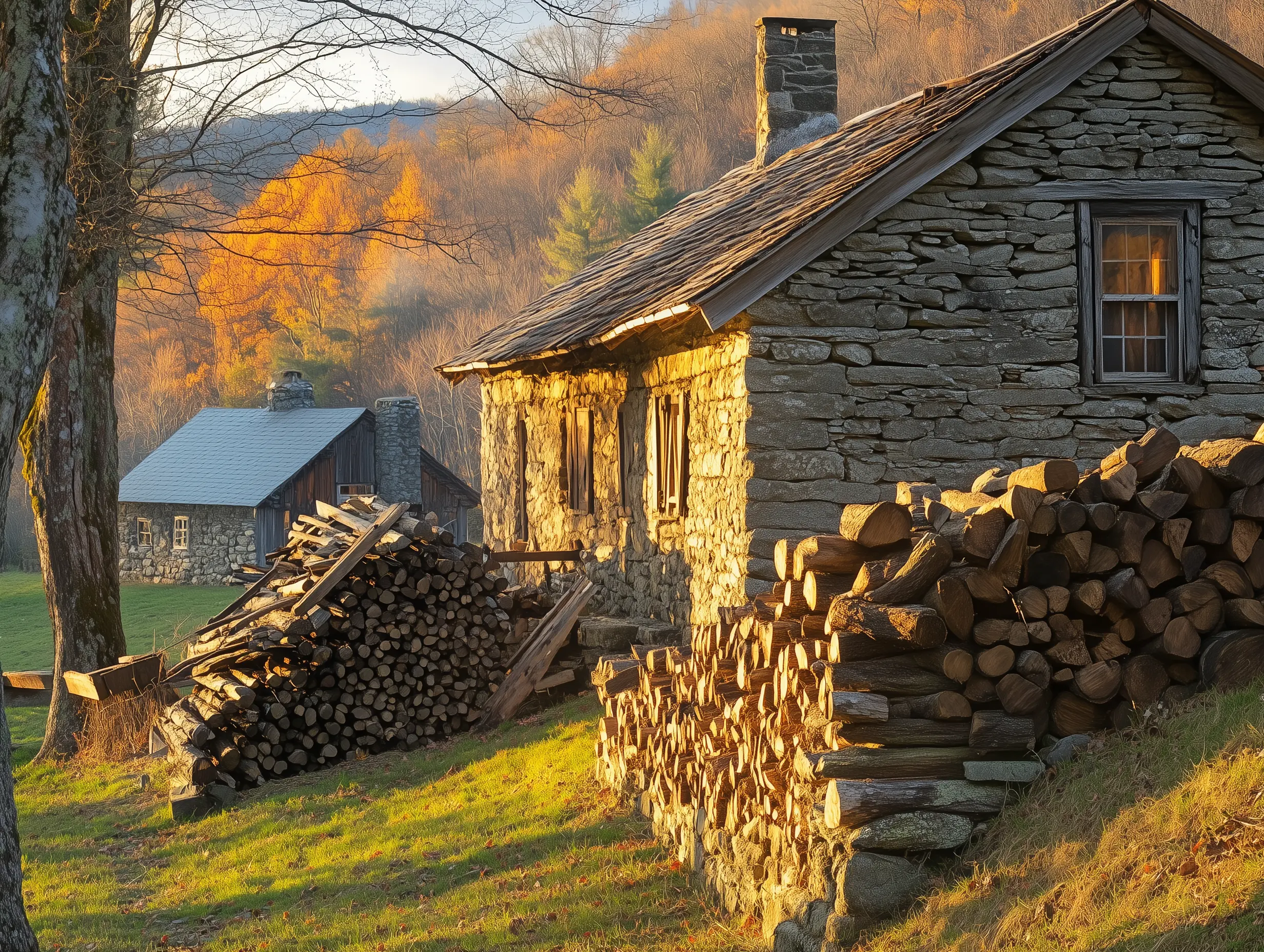
For two centuries, Appalachian mountain families lived with a quiet self-sufficiency the modern world has almost entirely abandoned. What they knew, we've stopped teaching.
Mountain families never were. They preserved food without refrigeration, heated without central heating, and stayed fed when shelves were bare โ all by design.
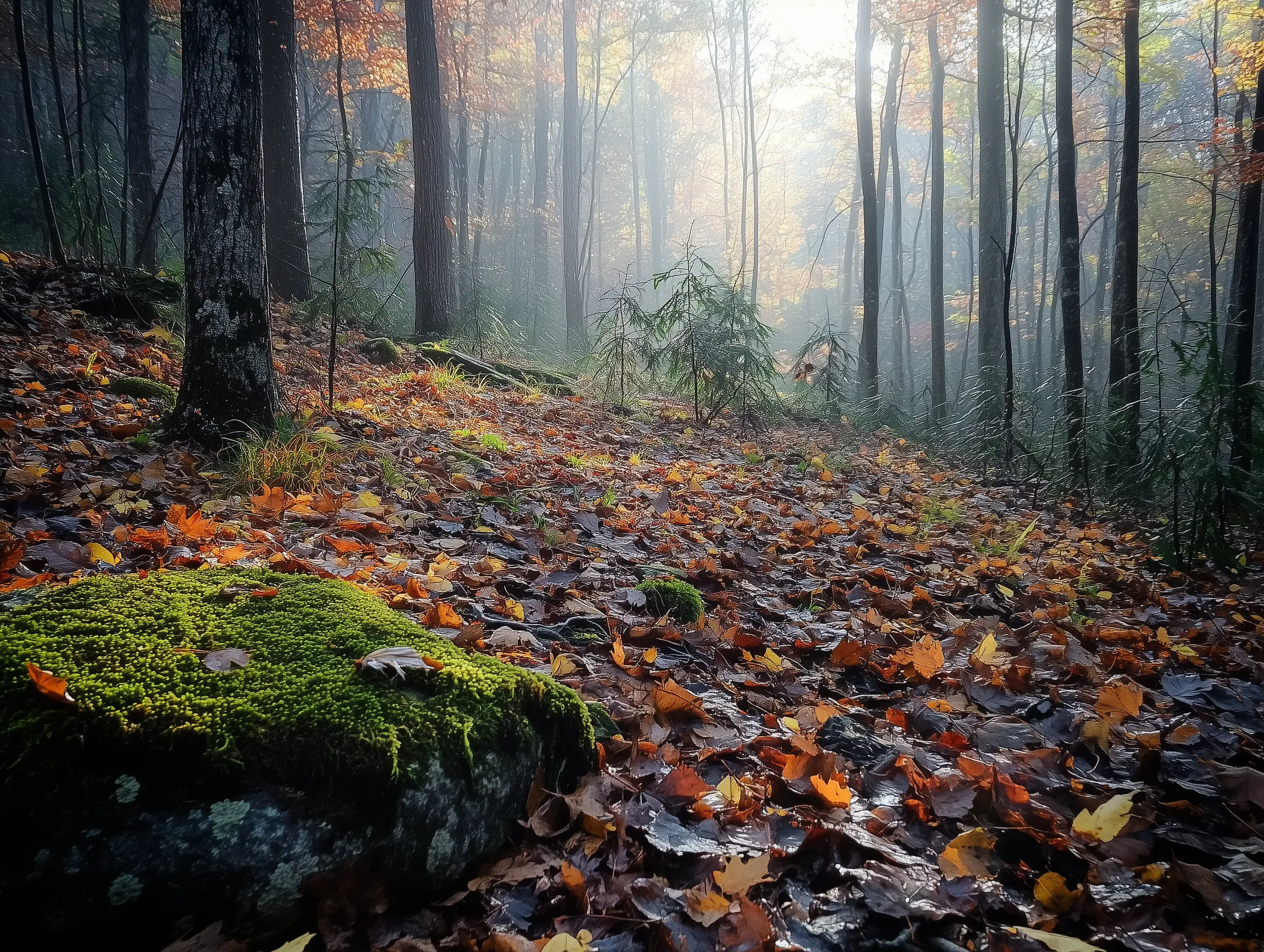
From what grew in the yard, in the hollow, on the hillside. Elderberry for sickness, plantain for wounds, slippery elm for the gut โ remedies that actually worked.
Root cellars, salt curing, fermentation, smoke โ a complete preservation system requiring no electricity, no freezer, and no supply chain. Built to last through any winter.
Five chapters of carefully documented Appalachian knowledge โ from the hands and mouths of those who lived it.


Here's a glimpse at the kind of practical, timeless knowledge waiting inside the guide.
Black elderberries have been used in Appalachian households since the 1800s as a first line of defense against cold and flu season. The process is simpler than you'd think: three pounds of fresh or dried elderberries, raw local honey, cinnamon bark, whole cloves, and fresh ginger root. Combine in a cast iron pot with four cups of spring water and bring to a slow...
A proper root cellar maintains 32โ40ยฐF and 85โ95% humidity year-round โ naturally, with no electricity. Mountain families positioned their cellars on north-facing slopes, dug at least four feet below the frost line, and relied on passive airflow through two vents positioned at opposite ends. The key most people miss is the earthen floor โ never concrete. The soil itself regulates...
Mountain folk didn't need weather apps. They watched the woolly worm caterpillar in the fall โ the wider the brown band, the milder the coming winter. They noted when the persimmon seeds split and what shape they showed inside. When the crows flew low and stayed in the field, a hard rain was coming within six hours. When morning fog sat in the valley but cleared the peaks by nine...
"My grandmother grew up in the Smokies and always talked about these old ways. I never wrote any of it down before she passed. This book brought so much of it back โ and taught me things she never got to show me. Worth every penny and then some."
"I've been homesteading for six years and thought I knew most of this stuff. I was wrong. The root cellar chapter alone changed how I set up my storage this fall. The elderberry syrup recipe is now a yearly tradition in our house."
"Bought this during a power outage that lasted four days. Felt humbled by how unprepared I was. Spent the whole next week reading and re-reading this. Now I actually feel ready. The food preservation section is outstanding."

The Forbidden Holler was built on one simple belief: the old ways deserve to be remembered. Too much of what Appalachian families knew โ truly knew, from generations of hard-won experience โ is disappearing with each passing decade.
This isn't romanticized folklore. It's practical knowledge that kept real families fed, healthy, and warm without the systems modern life depends on. Some of the best of it was never written down. We're trying to change that.
Forgotten Mountain Wisdom is the first published volume from The Forbidden Holler โ a careful, respectful documentation of Appalachian self-reliance knowledge before it disappears entirely.
Read Our Story โThe people who lived this knowledge are getting older. The hollows are getting quieter. This guide exists because someone decided to write it down before it was too late. Now it's yours.